Caregiving and Finding Balance

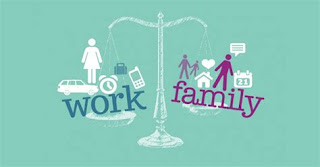
 Who is normally a caregiver? Women are caregivers naturally. Daughters are caregivers. Normally we start off taking care of our parents. Some of us take care of our  family and then professionally we care for other people's families. I myself have done both. Currently, I am a professional caregiver. It's hard finding balance from personal life and work-life. How do we find balance? I read this article from Brain & Life it is a 
    Dec2021/Jan 2022 edition; which I'm subscribed to. It said how this daughter who's name is Liz O'Donnell started to help her parents more got tired. She would shop for groceries, mow the lawn, sort the mail, and pay bills. She shuttled them to the doctor and other places. She was a Public Relations worker and helping her parents got in the way of her job. She would use her vacation time to take her mother to the doctor; which was one and half hour away! She got grilled because her mother wasn't eating right. Doctor said she must call check to see what she ate everyday. He ask why the mother hasn't moved in with her yet. She said she left the doctor's feeling ashamed and defeated. She knew they need care more but didn't want that responsibility. So her mom died and she started realizing they is professionals that deal with caregiving, Finaces etc.  Her dad died of Alzheimer's. She started a blog and facebook page called "Working Daughter." 

https://www.facebook.com/groups/workingdaughter

https://workingdaughter.com/about/


Her husband also died of pancreatic cancer. Wow, she cared for her family well. She also wrote a book called WORKING DAUGHETR.    


    You must have a backup plan when giving care. Have some one near when you can't be there. Have someone relieve you, so you can rest, get free time. You must guard your health. How can you be strong for others if you are weak and out of shape? Make sure you find help you can afford. Get all resources available to you and utilized it. There's so much support. I have a presentation I created to help care gives be fit and ready. It's called HEALTH AND WELLNESS TIPS FOR CAREGIVERS. Please click the link and watch.  https://us.docworkspace.com/d/sILeNxrEj67rzjgY      Please leave feedback. I wish you well on your caregiving journey. If your caring for dementia patient please join my group here

https://www.facebook.com/groups/452831539152869

follow me on social media and follow biz page

www.serenityalzheimersanddementiatraining.com


Should You Ask Your Neurologist

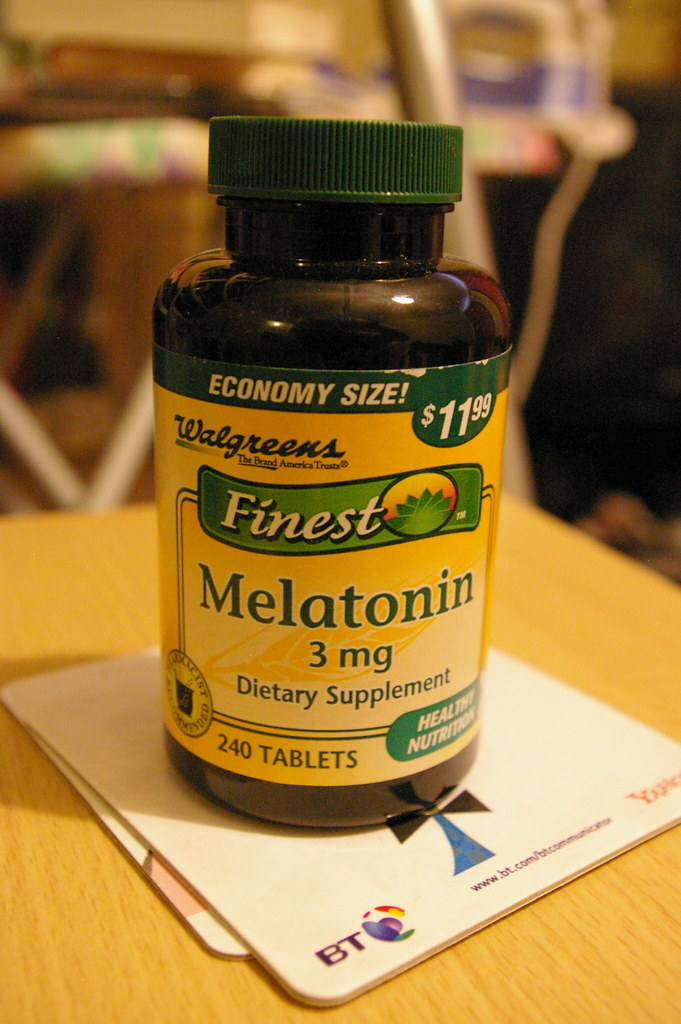
  Yes, you should ask your neurologist! Ask yourself is sleep, melatonin, and neurologic disorders are linked?  

Yes, they are linked by having low melatonin, low sleep (poor sleep), and neurological symptoms that have to worsen over time, according to research. Did you know that melatonin is a hormone that our pineal gland produces in the brain? The dark promotes the bloodstream. On the other hand, light stops this process. You got it! Get more sleep! This is the way melatonin synchronizes the sleep and awake pattern (night, day).

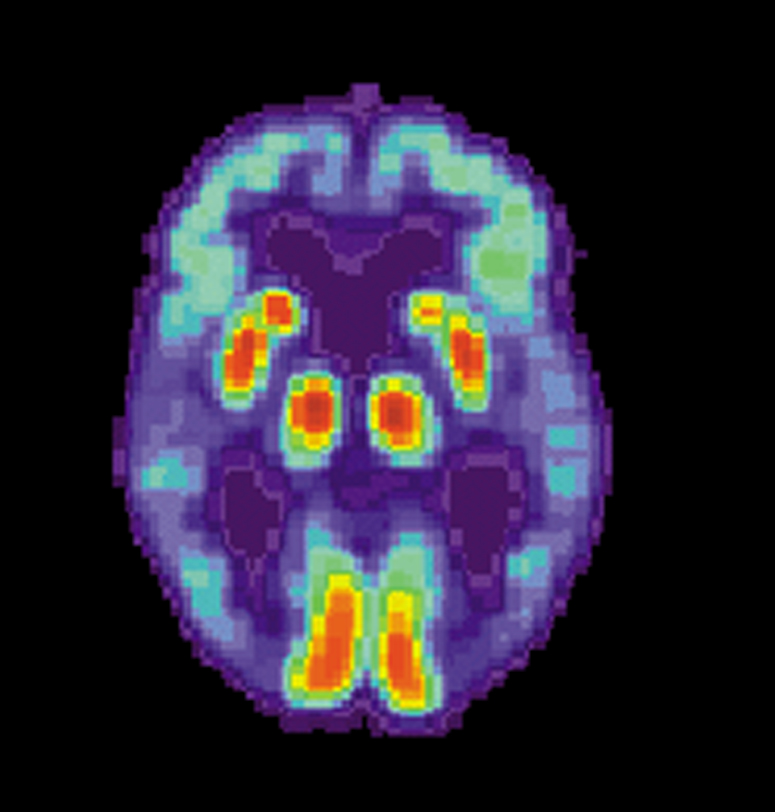
Studies say that decrease melatonin levels may heighten the chances of seizures in patients who have epilepsy and affect cognition in people with Alzheimer’s. This doesn’t exclude symptoms related to migraine, stroke, autism, multiple sclerosis, Parkinson’s, and attention deficit- hyperactivity disorder.


In addition, there have been animal studies and a few human studies that suggest that melatonin may aid in the protection of cells and DNA from damage to free radicals-which is unstable molecules produced as a by-product of metabolism or by exposure to toxins such as tobacco smoke. Melatonin can help lower inflammation in the brain after damage from stroke or other traumatic brain injuries. Recent studies indicate that melatonin may reduce amyloid levels, which contribute to Alzheimer’s.

*More research is needed to clarify these findings. Also to find and determine if there is any therapeutic benefit to humans.


Recent studies suggest melatonin improves sleep in children and adults with epilepsy and autism. Ask your doctor if melatonin is right for you.


Tips to sleep better:

  • Set  schedule- keep same time-avoid napping

  • Create an environment for sleep- dark room, cozy etc

  • Limit caffeine and alcohol

  • Use light wisely

  • Be physical active

  • Rule out other health issues

  • Review your mediations-some antidepressants interfere

  • Consider cognitive behavioral therapy (CBT)

  • Join support group


Learn How To Sharpen The Memory With These Powerful Methods

 Learn How To Sharpen The Memory With These Powerful Methods


What is memory?

Memory applies to the process that is used to store, return, and then later retrieve information. There are 3 processes that are majorly involved in the memory process: encoding, storage, and retrieval.


Human Memory

Human Memory is able to preserve and recover information we have learned or experienced.


Memory Problems

Memory obstacles can span from minor irritation like forgetting car keys to having the major disease. Alzheimer's other dementia that will affect memory long term and affect the ability to function.


How are memories formed?

Memories are formed by encoding. Encoding is receiving or registering stimuli through one or more of the senses and then must be modified. Then information must be stored for later use. The retrieval process ables us to transport memories into our conscious awareness.


Factors to Powerful Sharpened Memory 

  • 1. Have someone read out a list of words and you must repeat them (most of the time no one can remember or recall all of the words or list them in order). When someone recalls some words in the beginning, some in the middle and a couple at the end this process is called primacy (words in the beginning, (recency) words at the end. To remember words in order the person must use mnemonic techniques. 


Examples of mnemonic techniques

  • Blue

  • Orange

  • Yellow

  • Now

  • Oval

  • Mom

  • Rages

  • Ears 

  • Apricot

  • Pencil

  • Paper

  • Elephant

  • Snail 


  • 2. Reciting words is very effective to recall words


  • 3. You need a healthy lifestyle, diet and attitude to help sharpen your memory. 

  • Don't skip meals

  • Eat healthy (veggies and protein filled foods full of antioxidants, vitamin C and E)

  • Cut out caffeine and alcohol 

  • Have lots of omega 3’s (fish oils; helps to gain new communication barriers in the brain neurons)


This helps the brain to function at its most powerful point!


  • 4. Stress reduction - people who are stressed produce lots of hormones called cortisol. This damages the brain cells. 

  • Try relaxing like yoga, reading, swimming, or something relaxing 

  • Get sleep

  • Poor memory can be a sign of low self-image, boost your self-esteem

  • Cardio is important (you need a healthy heart to pump the blood to your brain)

  • Doing exercises that will get the heart pumping, oxygenated blood to the brain is key. Basketball, running, walking or any sport that can make your heartbeat a little faster. This also lowers blood pressure decreasing the chance for stroke etc


Post memory activity links see happyneuron.com


Dementia Training

 Dementia Training 


How effective is Dementia Training? 

Dementia Training is 80% effective. It can help clients and patients stay safe and out of facilities. They can reside at home most of the time when the caretaker is knowledgeable on how to care for clients and patients. E-Learning raises the awareness of health professionals. E-Learning is great because no one is left out, if you can’t see there are audios to listen to. There are many ways to deliver online. 

My E-Learning platform is equipped for students to log in and complete lessons at their own pace, once the lesson is purchased it is forever theirs. E-learning is a great benefit to an educator that has to teach in a different method. Educators can have a worldwide population of students and they can have gammy credentials while the educator is teaching at a physical location or on another business mission or personal venture. This will be great that no student is left behind. All students learn at a different pace. The course will make students confident in mastering the skills needed. With my courses, students get a certificate after passing the test with a 75% or higher. Students can reach education through the platform or private contact about questions. I can keep up with progress while students work on lesson modules for courses. 

Social Links at the bottom of the article. 

Getting a national certification is key. I prep students for the National Alzheimer's Caregiver Exam. Later in 2021, I will release the course and exam, for now, I am offering courses to educate health professionals in every situation

that can arise. Also obtaining certification and certificate can show proof of a health professional's knowledge and can increase their salary. 

Get educated today and share as you learn. Let me the CEO/Owner Alicia A Reid of Serenity Alzheimer's & Dementia Training LLC and prepare you for success as an Alzheimer/Dementia specialist. Learn all about memory loss. Serenity Alzheimer's & Dementia Training LLC giving you ‘ peace of mind’.

https://www.facebook.com/groups/452831539152869

https://www.facebook.com/serenityalzheimersanddementia

https://www.youtube.com/channel/UCq8HTbOgvIgdX3QUHyvgdkw


Sundowning

 Sundowning


- How To Manage


      Normally sundowning occurs when there is a phase of light fading.   It is said that sundowning is normally found in someone that had Alzhiemers. 


Symptoms:

  • Irritated - Bothered

  • Restless - No sleep

  • Confused

  • Disoriented 

  • Curious

  • Throws Tantrums- Yells and Hits

  • Wandering

  • Pacing 

  • Mood Swings

  • Hallucinating 


   It is said that 1 in 5 people with Alzheimer's get sundowning.


Causes: The causes are not scientifically known. Some scientists think it happens due to change in the brain that affects the (natural body clock)!!.  The signals are affected that wakes a person or alerts them to sleep.


      Some other triggers are less light when it's day outside. This can make shadows which cause confusion and fright. The person may have trouble separating their dreams from real life. This may be disorienting. 


 How to help someone with sundowning: 


  • Keep a daily routine: set a regular schedule for all activities- meals,bathing,activities,bedtime,wake time.

Schedule events early as possible before sundown.


  • Avoid: limit things that disturbs sleep- alcohol, loud noises, low light, (sweets/caffeine- if so can have in mornings). They can have big daytime meals but small at dinner time. No naps or exercise that's more than 4 hours before bedtime.


Claiming Approach: 


  • Fix room lighting to avoid shadows

  • Tell visitors to come early- leave before sundown

  • Don't have much noise.

  • Do activities- play music, take walks, read, ect.

  • Make sleep areas comfortable.

Lewy Body Dementia


 Lewy Body Dementia (LBD) - is a disease that is connected with abnormal deposits of protein that is called alpha-Synuclein in the brain. These deposits are called Lewy Bodies. This leads to issues with memory (thinking) movement behavior and mood. This dimension is common.  


 Symptoms:  May be mild, the person may still function normally as the disease progresses and thinking, movement decline a person may require help. As the condition worsens the person may need total care. 


    Causes: The causes are unknown.


    Risks: Genetics, disease and health condition, genetics.


Cognitive Symptoms: Dementia-there's serve loss of thinking

  • Cognitive fluctuations- undetectable changes in concentration attention, alertness and wakefulness

  • Hallucinations- visual 80% of people


Behavioral/Mood: Apathy, depression, anxiety, agitation, delusions, paranoia


Treatment: speech therapy, physical, occupational, expressive, art, mental health, palliative care


Medication: Exelon


Creutzfeldt - Jakob Disease


 Creutzfeldt - Jakob Disease (CJD) also known as prion human disease. It is said to be a neurodegenerative disorder. This disease quickly spreads and is always fatal. Having an infection with this disease will lead to death within one year. In many countries, the USA being one - the estimate is one case per million population.  Mental states loosen when the disease progresses.


Symptoms


  • Memory Loss

  • Insomnia

  • Incoordination

  • Personality Changes

  • Blindness (Vision Issues)

  • Hard Time Speaking 

  • Difficulty Swallowing 

  • Random Jerky Movements  


How CJD is transmitted: Sporadically: It just happens.


  Inheritance / Genes: Less than 15% of people with CJD have atamilly history of the disease or test positive for a sentence mutation.


  Contamination: A tiny number of people have been infected after their tissue has been exposed during a medical procedure.


  Risk : Genetics, age, contamination.


   Treatment: There is no treatment! The only treatment was to keep the infected person comfortable. Opiate drugs can help relieve pain. Clonazepam and sodium valproate may help ease myoclonus.  


Finding PEACE WITH IN BLOG STILL holding number #30Top Alzheimer's blog spot

"Finding Peace, Peace of Mind" is recognized as one of Feedspot's top Alzheimer's blogs in 2025, offering invaluable insig...