Showing posts with label brainhealth. Show all posts

Power Your Brain

Be good to your brain and lower the risk of dementia and stroke. This may help cognitive decline. 

We can control our risk factors such as diabetes, high blood pressure, high cholesterol, and obesity, and adopt healthy habits. 


Morning 

Wake up normally. Get rid of the alarm clock and allow yourself to wake up when you have gotten enough sleep. If you need an alarm clock, make sure you get enough sleep. Dr. John Absher, MD. "Evidence also suggests that sleep clears waste products from the brain. "

Brush your teeth. A higher risk of cognitive decline stroke and Alzheimer's is linked to poor oral health; gum disease. Floss regularly and brush your teeth twice a day. A study in Scientific Reports in March 2024 found a link between a preponderance of oral bacteria and an increased risk of developing Alzheimer's disease. "Oral health care is important," says Seth Keller, MD, FAAN, a New Jersey neurologist who is past president of the American Academy of Developmental Medicine and Dentistry. 

Midmorning

Read the paper. Please do something that stimulates the place, says Dr.Burns. That includes crossword puzzles, and completing reading a book.  Remain engaged with work. When you retire stay involved in your field, says Linda Hershey, MD, PhD, FAAN, a retired neurologist most recently with the University of Oklahoma Health Sciences Center. 

Enjoy a hobby. "the human brain is one of a kind in its capacity for development and inventiveness," says Janet Jankowiak, MD, a geriatric and behavioral neurologist in Needham, MA. The brain grows when confronted with novelty, developing new synapses," she says. Playing music sewing, dancing, learning a new language, writing, or telling stories.

Midday

Prepare a light lunch. As you get older it is good to watch your calorie intake to avoid weight gain, says Dr. Hershey. Now that she's in her late seventies, her lunches are more like snacks. Consider a green salad with added protein such as egg, chicken, or fish. 


Midafternoon

Connect with others. Social engagement like worship, libraries, book clubs, recreation centers, or coffee shops, among others. 

Extend kindness.  Share your meals with someone who feels shut in. Go shopping for groceries for someone. Volunteering or doing things for others makes you feel good, too," says Dr. Jankowiak. 

Make a doctor's appointment. Keep your health in good standing. High cholesterol and high blood pressure are linked to an increased risk of developing dementia, according to a study published in JAMA Network in 2019. 

Evening

Eat a balanced dinner. When you sit down to eat, ask yourself, "Am I getting protein, fat, and crabs?

Dr. Achari, suggests including yogurt or fresh vegetables with evening meals. "Cut up some tomatoes, throw them in a bowl with olive oil salt and pepper, and basil, and let them sit. 

Stimulate your brain. Taking in new information before you sleep, you're more likely to retain it because it's closer to the retain it because it's closer to the memory consolidation that happens during rest," Dr. Absher explains.

Nighttime Keep a study journal. Use your time to learn something new and write about it, says Dr. Achari. "It can broaden your horizons, enhance your language, and expand the people and things you know, " she says. 

Read before going to bed. Read a good activity book. Read activity books. 

Stimulate your brain. Taking in new information at night before you sleep, you will likely retain it because it's closer to memory consolidation that happens during rest," Dr. Absher explains.

Ensure a good night's sleep. To fall asleep and get seven hours and stay asleep through the night follow this advice from Beth A. Malow, FAAN, director of the sleep disorders division at Vanderbilt University Medical Center in Nashville.


Maintaining Dignity in Dementia Care


Caring for someone with dementia is a journey filled with unique challenges and profound moments of connection. As caregivers, one of the most crucial aspects of our role is ensuring that our loved ones feel respected, valued, and dignified, even as they navigate the complex changes that come with dementia.

Dignity is more than just a concept; it's a fundamental human need that remains important throughout a person's life, including during the progression of dementia. In this blog, we'll explore practical steps caregivers can take to uphold the dignity of those living with dementia, fostering a sense of self-worth and well-being.


1. Respect Their Autonomy

Even as dementia progresses, it’s vital to respect the autonomy of your loved one. Encourage them to make decisions whenever possible, whether it’s choosing what to wear, what to eat, or how to spend their day. Offering choices, even in simple matters, empowers them and reinforces their sense of control over their own life.

Tip: If verbal communication becomes difficult, use visual cues or gestures to present options. For example, show them two different shirts to choose from, rather than asking which one they prefer.


2. Maintain Privacy

Respecting privacy is a key component of maintaining dignity. This includes providing privacy during personal care tasks such as bathing, dressing, and using the toilet. Approach these tasks with sensitivity, explaining each step and ensuring they feel comfortable and secure.

Tip: If possible, involve your loved one in their care routine, allowing them to perform tasks themselves with your guidance. This not only preserves their dignity but also promotes a sense of independence.


3. Use Respectful Language

The words we use can have a significant impact on how someone feels about themselves. Always use respectful language when talking to or about your loved one. Avoid infantilizing terms or speaking about them as if they’re not present. Instead, engage them in conversations and listen actively to what they have to say.

Tip: If your loved one struggles to find the right words, be patient and give them time. Encourage them gently and provide the words they may be searching for without interrupting or finishing sentences for them.


4. Focus on Their Abilities, Not Just Limitations

It’s easy to get caught up in what someone with dementia can no longer do, but focusing on their remaining abilities can have a positive impact on their self-esteem. Celebrate their achievements, no matter how small, and engage them in activities that highlight their strengths.

Tip: Adapt activities to their current level of ability. For example, if they enjoyed cooking but now struggle with complex recipes, involve them in simpler tasks like stirring ingredients or setting the table.


5. Be Mindful of Body Language

Non-verbal communication plays a crucial role in how we interact with those living with dementia. Your body language, facial expressions, and tone of voice can convey respect and empathy—or, conversely, impatience and frustration. Always approach your loved one with a calm and open demeanor.

Tip: Make eye contact, smile, and use gentle touch to reassure them. These small gestures can significantly enhance their sense of connection and security.

6. Preserve Their Identity

Dementia may change many aspects of a person’s life, but it doesn’t erase who they are. Encourage your loved one to engage in activities and routines that reflect their personality and interests. Surround them with familiar objects, photographs, and music that resonate with their past experiences.

Tip: Create a “memory box” filled with items that hold personal significance, such as photos, letters, or small keepsakes. This can serve as a comforting reminder of their identity and life story.


7. Advocate for Their Rights

As a caregiver, you are also an advocate for your loved one’s rights. Ensure they receive respectful care from all healthcare providers and support their wishes regarding medical treatment and end-of-life care. It’s essential to communicate their preferences clearly and ensure these are honored.

Tip: Keep a detailed care plan that includes your loved one’s wishes and share it with healthcare professionals involved in their care. Regularly review this plan to ensure it reflects their current needs and preferences.


Conclusion

Maintaining dignity in dementia care is about more than just meeting basic needs; it’s about fostering a sense of respect, worth, and connection that can profoundly impact the well-being of those living with dementia. By focusing on their autonomy, privacy, communication, and personal identity, caregivers can ensure their loved ones feel valued and respected throughout their journey.

At Serenity Alzheimer’s & Dementia Training LLC, we are committed to supporting caregivers with the knowledge and tools they need to provide compassionate, dignified care. Remember, you are not alone on this journey—together, we can make a difference in the lives of those we care for.

Shattered Illusion : A Dementia Journey

                They say not to judge a book by its cover but I need you to do just that. If you liked the cover of my book, Shattered Illusion: A Dementia Journey, please vote for it for the Cover of the Month contest on AllAuthor.com!

I’m getting closer to clinch the "Cover of the Month" contest on AllAuthor! I’d need as much support from you guys. Please take a short moment to vote for my book cover here:


    Click here to Vote!

THE NEUROLOGY OF AGNOY

 According to Brain and Life Organization, for some people agony (grief) can become a mental health problem that is characterized by isolation, depression, and anger. If the agony lasts for a while the person needs to be seen by a doctor. The doctor may order pharmacological or nonpharmacological therapies. “The brain's reaction to traumatic misfortune can result in confusion and increased uneasiness that can disturb rest and increment aggravating dreams by night and meddling considerations, such as flashbacks, by day,” says Lisa M. Shulman, MD, FAAN, teacher of neurology at the College of Maryland School of Medication and creator of Some time recently and After Misfortune:

A Neurologist's Point of view on Misfortune, Pain, and Our Brain. “Understanding these brain components has driven to intercessions such as journaling and craftsmanship treatment that offer assistance reconnect passionate and cognitive memories.”


For more serious and unremitting despondency that disturbs day-by-day work, investigation is underway on the utilization of hallucinogenic specialists like MDMA, an engineered psychoactive chemical, beneath the


the direction of a therapist or prepared counselor, Dr. Shulman says. “The FDA assigned this as a breakthrough treatment for posttraumatic push clutter in 2017, and later stage 2 and stage 3 trials have appeared efficacy.”


“Uncomfortable sentiments like melancholy are typical and serve a reason as individuals move forward with their lives after a loss,” says Farrah N. Daly, MD, a neurologist at EvenBeam Neuropalliative Care in Leesburg, VA. “It isn't something that ought to be disregarded or hurried, and everyone's involvement can be different.” 

Pseudobular Affect

 Pseudobulbar influence is a condition that causes over-the-top and wild crying or giggling irrelevant to either pity or bliss- it can happen with numerous neurologic conditions, including Alzheimer's malady and dementia, amyotrophic sidelong sclerosis, numerous sclerosis, Parkinson's illness, stroke, and traumatic brain damage. Individuals may create PBA when parts of the brain stem that control development have been harmed on both sides of their brains. The basic instrument isn't caught on, but it may be that circuits that include the cerebellum disturb the coordination of feeling. Analysts proceed to investigate causes and treatment. To date, they do not know why a few individuals are involved in PBA and others don't. The condition may happen early or late within the fundamental disease's course and is some of the time misdiagnosed as misery or bipolar clutter. 


The Impact of Music and Art on Dementia: Unlocking the Therapeutic Potential

 The Impact of Music and Art on Dementia: Unlocking the Therapeutic Potential


According to Michelle Wall, Anita Duffy in the Pub Med article  “The effects of music therapy for older people with dementia,” Nationally and internationally, music therapy is often used informally in residential care settings to improve communication, emotional, cognitive, and behavioral skills in elderly patients diagnosed with dementia. However, the benefits of music therapy are under-recognized in Ireland. Numerous studies have been conducted to demonstrate the effectiveness of music therapy on behavior in older adults with dementia, with positive results. Music therapy should be welcomed in elderly care in Ireland and elsewhere. However, further research is needed to validate the effectiveness of this therapy as a holistic tool for building altruistic connections between caregivers and users. 


Introduction:


Dementia is a condition that affects not only an individual's cognitive abilities but also their mental health and overall quality of life. There is no cure for dementia, but new research and anecdotal evidence suggest that music and art can have profound therapeutic effects on people living with dementia. This article explores the transformative power of music and art and how these expressions can evoke memories, lift moods, and improve the overall well-being of people with dementia.


Bring back memories:


One of the most remarkable aspects of music and art is its ability to evoke deep-rooted memories within us. Even people with advanced dementia who have difficulty remembering current events or familiar faces often associate with music and art from the past. Familiar melodies and harmonies transport you to the early stages of life to rekindle emotions and develop a sense of connection and identity.


Improve mood:


Music and art have an amazing ability to influence our emotions. They can lift spirits, evoke joy, and give comfort in difficult times. For people with dementia, engaging in music and art can be an effective way to improve mood and reduce anxiety and anxiety. Soothing melodies and harmonies can help create a soothing environment, while vibrant rhythms can inspire movement and create moments of joy. Improve communication and expressiveness:


Verbal communication becomes increasingly difficult as dementia progresses. However, music and art provide alternative means of expression that allow individuals to communicate and connect with others on a deeper level. Playing an instrument, singing, or engaging in creative arts activities can provide a forum for self-expression, communicating, and sharing emotions in non-verbal ways. This creates meaningful interactions and connections with caregivers, family members, and colleagues.


Cognitive skill stimulation:


Engaging in music and art stimulates various cognitive skills such as attention, memory, and executive function. For example, learning to play an instrument puts a strain on the brain and improves neural connections. Similarly, creating art stimulates creativity and problem-solving skills. These activities may provide cognitive stimulation, slow cognitive decline, and improve cognitive reserve.


Building a treatment environment:


Incorporating music and art into the care setting helps create a therapeutic atmosphere. Caregivers, families, and medical professionals can incorporate personalized playlists, live performances, or group art sessions into their daily lives. This promotes feelings of involvement and self-determination, improves social interaction, and reduces feelings of isolation and loneliness.


Conclusion:


The impact of music and art on people with dementia cannot be overemphasized. These creative expressions reach into the deepest recesses of the human mind, evoking emotions, memories, and connections beyond the limits of cognitive decline. Whether listening to a favorite song, attending a choral session, or participating in the arts, these activities can improve mood, improve communication, stimulate cognition, and ultimately improve the overall health of people with dementia. It has the power to improve your overall well-being.


As caregivers, families, and society as a whole, we can harness the therapeutic effects of music and the arts to create meaningful and enriching experiences for people living with dementia. Celebrate the transformative power of creativity, integrate music and art into dementia care, and continue to explore innovative ways to support people on their journey to happiness and connection. 


BOOK for art therapy:


https://www.amazon.com/Mandala-Coloring-Book-Adults-Relieving/dp/B0BXNC78W1


Say what! Infrared Therapy for Dementia and other Brain Disorders?

 Who would ever think of brain therapy that may treat brain disorders or regenerate the brain?

What if I told you that Infrared Therapy is proven to help:


  • Traumatic Brain Injury
  • Other forms of dementia
  • Parkinson’s Disease
  • Brain Ischemia
  • Depression
  • Anxiety
  • Addiction
  • PTSD
  • And more!     
What is infrared therapy? Photomodulation (PMBT) is the process of inducing the photochemical reactions in the biological system. The light is said the interact with the photosentisve cells in our rentia that is called photoreceptors. When light is absorbed by these cells, a photochemical reaction takes place, where the light energy is converted into electrical signals that are sent to the visual processing center of the brain. Vitamin D synthesis in our skin is another example of a photochemical reaction. When the ultraviolet B (UVB) wavelength of sunlight hits our skin, it converts 7-dehydrocholesterol, a universal form of cholesterol, into vitamin D3. 
 The adverse effects of lack of light on the human body are also well known. Two examples are seasonal affective disorder (SAD) and lack of vitamin D production that leads to rickets. 
 Photobiomodulation (PBM) is the term used to describe the mechanical scientific basis of this photonic specialty, and Photobiomodulation Therapy (PBMT) is the term for its therapeutic use. PBMT was first developed in the 1960s.

I have started my journey using the helmet and pads for my infrared therapy (PMBT). I suffer with headaches, brain fog, dizziness and confusion. I will comment on this blog post as I gather my personal results. I am a dementia educator. I educate on brain health and caregiver wellness. I am a also an affiliate of Proneurolight; the company that create the infrared equipment I'm promoting, the helmet and pads. I see testimonies daily and I get email blast daily about the users journey and updated findings. Join here to access your PMBT ðŸ‘ˆ.

Join group below 🔽


Should You Ask Your Neurologist

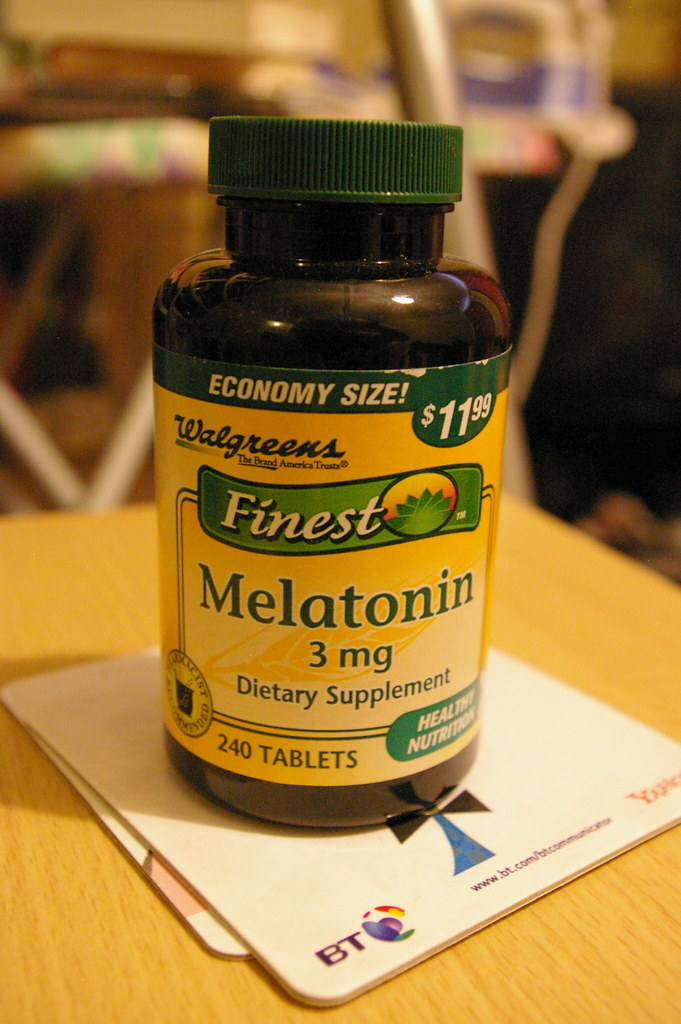
  Yes, you should ask your neurologist! Ask yourself is sleep, melatonin, and neurologic disorders are linked?  

Yes, they are linked by having low melatonin, low sleep (poor sleep), and neurological symptoms that have to worsen over time, according to research. Did you know that melatonin is a hormone that our pineal gland produces in the brain? The dark promotes the bloodstream. On the other hand, light stops this process. You got it! Get more sleep! This is the way melatonin synchronizes the sleep and awake pattern (night, day).

Studies say that decrease melatonin levels may heighten the chances of seizures in patients who have epilepsy and affect cognition in people with Alzheimer’s. This doesn’t exclude symptoms related to migraine, stroke, autism, multiple sclerosis, Parkinson’s, and attention deficit- hyperactivity disorder.


In addition, there have been animal studies and a few human studies that suggest that melatonin may aid in the protection of cells and DNA from damage to free radicals-which is unstable molecules produced as a by-product of metabolism or by exposure to toxins such as tobacco smoke. Melatonin can help lower inflammation in the brain after damage from stroke or other traumatic brain injuries. Recent studies indicate that melatonin may reduce amyloid levels, which contribute to Alzheimer’s.

*More research is needed to clarify these findings. Also to find and determine if there is any therapeutic benefit to humans.


Recent studies suggest melatonin improves sleep in children and adults with epilepsy and autism. Ask your doctor if melatonin is right for you.


Tips to sleep better:

  • Set  schedule- keep same time-avoid napping

  • Create an environment for sleep- dark room, cozy etc

  • Limit caffeine and alcohol

  • Use light wisely

  • Be physical active

  • Rule out other health issues

  • Review your mediations-some antidepressants interfere

  • Consider cognitive behavioral therapy (CBT)

  • Join support group


Finding PEACE WITH IN BLOG STILL holding number #30Top Alzheimer's blog spot

"Finding Peace, Peace of Mind" is recognized as one of Feedspot's top Alzheimer's blogs in 2025, offering invaluable insig...