
Who would ever think of brain therapy that may treat brain disorders or regenerate the brain?
What if I told you that Infrared Therapy is proven to help:


Learn How To Sharpen The Memory With These Powerful Methods
What is memory?
Memory applies to the process that is used to store, return, and then later retrieve information. There are 3 processes that are majorly involved in the memory process: encoding, storage, and retrieval.
Human Memory
Human Memory is able to preserve and recover information we have learned or experienced.
Memory Problems
Memory obstacles can span from minor irritation like forgetting car keys to having the major disease. Alzheimer's other dementia that will affect memory long term and affect the ability to function.
How are memories formed?
Memories are formed by encoding. Encoding is receiving or registering stimuli through one or more of the senses and then must be modified. Then information must be stored for later use. The retrieval process ables us to transport memories into our conscious awareness.
Factors to Powerful Sharpened Memory
1. Have someone read out a list of words and you must repeat them (most of the time no one can remember or recall all of the words or list them in order). When someone recalls some words in the beginning, some in the middle and a couple at the end this process is called primacy (words in the beginning, (recency) words at the end. To remember words in order the person must use mnemonic techniques.
Examples of mnemonic techniques
Blue
Orange
Yellow
Now
Oval
Mom
Rages
Ears
Apricot
Pencil
Paper
Elephant
Snail
2. Reciting words is very effective to recall words
3. You need a healthy lifestyle, diet and attitude to help sharpen your memory.
Don't skip meals
Eat healthy (veggies and protein filled foods full of antioxidants, vitamin C and E)
Cut out caffeine and alcohol
Have lots of omega 3’s (fish oils; helps to gain new communication barriers in the brain neurons)
This helps the brain to function at its most powerful point!
4. Stress reduction - people who are stressed produce lots of hormones called cortisol. This damages the brain cells.
Try relaxing like yoga, reading, swimming, or something relaxing
Get sleep
Poor memory can be a sign of low self-image, boost your self-esteem
Cardio is important (you need a healthy heart to pump the blood to your brain)
Doing exercises that will get the heart pumping, oxygenated blood to the brain is key. Basketball, running, walking or any sport that can make your heartbeat a little faster. This also lowers blood pressure decreasing the chance for stroke etc
Post memory activity links see happyneuron.com
How to Handle Personality Changes in Seniors *

Character changes are regular in senior residents, and they can demonstrate a few issues. Basic medical conditions, for example, dementia and stroke can influence characters. On the off chance that your adored one is going through a character change, try to comprehend this new side of them. They're as yet your cherished one – slightly not quite the same as in the past.
Figure out how to deal with character changes in seniors by following these tips:
1.Understand the reason for the change. Physical and emotional well-being changes can be the main driver of character changes.
·Issues, for example, dementia and stroke can transform a senior resident into an alternate individual. This is halfway brought about by the effect of the infection on the mind. What's more, mind harm from a fall or a physical issue can change a character.
·Personality changes can incorporate an abrupt absence of sympathy. An individual who used to be thoughtful and liberal can lose control and mean. Hostility and disappointment can increment.
·Changes can be exceptional to such an extent that friends and family may feel the senior resident has gotten an outsider. Notwithstanding, recollect that sicknesses that influence the cerebrum can influence the character also.
2.Avoid examinations. It is difficult to maintain a strategic distance from, yet it's significant not to contrast the seniors with their past character. Correlations can offend them.
·By keeping away from correlations, you'll get the opportunity to comprehend and contemplate the new character and become more acquainted with the individual in another manner. You can see this is a chance rather than a misfortune.
3.Seek assistance from an encouraging group of people. A character change in a friend or family member can be hard to deal with. You may profit by an encouraging group of people that comprehends the circumstance. Do you have different companions who are managing comparable issues?
·Reach out to them. Character changes aren't not difficult to manage all alone. Encouraging groups of people can help you adapt and give you a significant spot to examine your dissatisfaction.
·Caregivers and relatives frequently feel alone and confined as they attempt to assist an individual with a character change. Notwithstanding, support gatherings can have a major effect.
4.Discuss your interests with a specialist. On the off chance that you notice any sort of character changes in a friend or family member, it's critical to converse with a specialist.
·Doctors can assist you with seeing how and why the character changes happened. They can likewise endorse meds, medicines, and treatments that may help. What's more, they may point you toward neighborhood support gatherings.
5.Consider getting outside help. In case you're not, at this point ready to deal with a friend or family member with a character change, at that point you may require outside help. The assistance can go from visiting attendants to full-time parental figures who live with the individual.
·Caregivers and relatives frequently feel embarrassed and remorseful about requesting outside help. Notwithstanding, there is no disgrace in finding support during a tough spot this way.
·You may profit by getting a break by having a medical caretaker or authorized parental figure assume control over a portion of the obligations. You may likewise need to think about nursing homes or different kinds of helped day to day environments for the senior.
·It's critical to find support before you wear out and can't deal with your adored one.
Character changes in seniors can demonstrate significant well-being and mental issues that should be tended to. Converse with your PCP about the progressions you find in your cherished one.

Almost 6 million Americans are living with Alzheimer’s, and that number is foreseen to reach 14 million by 2050. It’s a condition that affects about 10% of seniors international.
With that in mind, you may be questioning if you can prevent or delay Alzheimer’s and other forms of dementia, especially if you know someone who not yet has such conditions.
While some factors like age and genetics are beyond your control, research suggests that there are some things you can do to lower your risk.
Most of these lifestyle changes are also beneficial for your heart and your overall health, so they’re well worth the effort. Start now to maximize your chances of staying mentally and physically fit as you age.
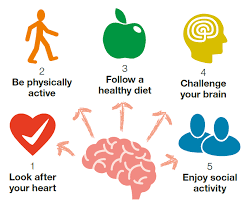
1. Eat whole foods. While no special diet is necessary, you may want to try the Mediterranean or DASH diets that are often recommended for Alzheimer’s patients. In any case, get most of your calories from vegetables, fruits, lean proteins, and healthy fats.
2. Minimize empty calories. Cut down on white sugar and flour products that tend to trigger inflammation. Read labels and use healthy sweeteners like fruit and cinnamon.
3. Drink tea. While there are no magic foods, many studies show that drinking tea is associated with a lower risk of dementia, especially for those with a genetic predisposition. Start your day with a cup of hot or iced tea.
4. Limit alcohol. Alcohol can make the symptoms of dementia worse, and any heavy drinking can harm your brain. Seek professional help if you have trouble drinking responsibly on your own.
5. Lose weight. Being overweight or obese can double or triple your risk of Alzheimer’s. Limit your portions and choose foods high in fiber.
6. Work out regularly. A balanced exercise program can reduce your risk for Alzheimer’s by 45%, according to the Alzheimer’s Society. In addition to aerobics, train for strength and balance. Staying active throughout the day counts too, so take the stairs instead of the elevator.
.
1. Protect your head. Trauma to your head can lead to dementia. Wear your seatbelt and appropriate safety gear for any sports you play. Most falls occur at home, so fix any hazards like slippery area rugs or missing banisters on stairs.
2. Sleep well. Dementia can interfere with sleep and lack of sleep can contribute to dementia. Aim for 7 to 8 hours of slumber a night.
3. Quit smoking. Smoking may increase the risk of Alzheimer’s by almost 80%. It often takes multiple attempts to quit successfully, so keep trying.
4. Manage stress. Tension and anxiety take a toll on your brain and other organs. Learn to relax through deep breathing, meditation, and other practices.
5. Challenge your brain. On the other hand, mental stimulation keeps your brain nimble. Solve puzzles and continue to learn. Read books and study foreign languages. Pick up new skills and hobbies. Practice doing daily tasks with your non-dominant hand.
6. Stay connected. Spending time with family and friends helps too. Share meals and weekend getaways. Volunteer in your community or join a Meetup Group.
7. Talk with your doctor. Your doctor can help you figure out priorities for managing your own individual risk factors. Many conditions including high blood pressure, high cholesterol, and diabetes can also increase your risk for dementia, so share your concerns and ask questions.
More research is needed to understand the causes of Alzheimer’s, but there’s enough evidence to support prevention strategies like eating healthy and exercising regularly. Taking care of your brain and your heart may help you to slow down or even reverse any cognitive decline.
Alzheimer's

Instructions to think about Alzheimer's sickness :
Specialists regularly endorse drugs to treat Alzheimer's infection, yet a portion of the prescriptions recommended are risky. On the off chance that your cherished one has Alzheimer's, it is astute to examine prescriptions and results with your primary care physician. Alzheimer's illness creates in the gentle stage, advances to the moderate stage, lastly to the serious stage.
Alzheimer's sickness influences the patient's dietary patterns, just as their drinking propensities. The patient's craving will change drastically as the infection advances. Now and again the patient may feel a requirement for additional calories. Your primary care physician may suggest supplements. Since the cerebrum is deteriorating, the patient will require loads of fluids to forestall parchedness. You may need to remind the patient when to drink.
How do specialists ensure patients with Alzheimer's?
Alzheimer's Association has put high requests on specialists, mentioning that all patients determined to have the condition Alzheimer must wear an ID wristband.
Since Alzheimer's infection causes cognitive decline, the patient may meander away and get lost. In the event that somebody sees the confounded patient, the Samaritan can take a gander at the armband to find a location.
Alzheimer's illness is a mind executioner. The sickness gradually recoils the cerebrum, wearing out the tissues, nerve cells, nerve filaments, spine, and so on As the infection gradually disintegrates the mind, it debilitates the muscles. The condition puts the patient in a high-danger of falling.
How do specialists know whether the illness is advancing?
Specialists think about indications. In the event that the indications are intensifying, at that point likely the infection is advancing.
How do specialists take measures to slow the movement?
After the infection advances, specialists can unfortunately do a limited amount of a lot. The patient will bite the dust in a short time. The infection just permits the normal patient to satisfy 12 years, yet as it arrives at the serious stage, likely the patient will kick the bucket in a matter of seconds. Specialists keep on testing, recommend prescriptions, and so forth The patient probably will require nursing home help.
How do nursing homes deal with Alzheimer's sickness?
Nursing staff depends on specialists. On staff, specialists will perform arbitrary checks. The greater part of the patients is secured to forestall risk. The patient is in an uncommon unit while close perception is giving. It relies upon the nursing home, however, the staff may energize mingling, exercises, work out, and so on Most occasions anyway as the illness advances to a serious stage, the patient will get lost. So, the patient may stop talking, strolling, eating, drinking, and so forth
How would you get ready at the serious stage?
Understand the patient isn't a long way from death. The sickness now has totally eaten the cerebrum, which the patient doesn't have faculties, scholarly capacities, passionate reactions, etc. The patient is passing on. There isn't anything you can do as of now to plan, since you ought to have arranged at the gentle stage.
How does the patient feel at the extreme stage?
It might be a solace to realize that the patient doesn't feel torment, since the faculties are annihilated. At this stage, the patient could fall and break a leg and never comprehend what happened. The individual won't feel torment.
Is the passing repulsive for the patient?
Passing is repulsive for anybody? Alzheimer's patients have a bit of leeway around there, such they don't have the foggiest idea what is befalling them. They don't fear passing, since the capacity to show passionate reaction is no more. In certain examples, be that as it may, the patient may upchuck brutally until they pass. The patient may upchuck whitish mucus.
How would I forestall Alzheimer's?
You can find a way to deflect Alzheimer's illness. Seeing whether you have the infection early can assist you with taking measures to slow the issue
Alzheimer’s Reducing Risks

Throughout everyday life, we as a whole have chances, which we can take measures to lessen a larger part of those dangers. Alzheimer's illness is asserting the psyches of in excess of 4 million US residents without referencing those in the unfamiliar grounds. The sickness is really guaranteeing in excess of 8 million personalities joined.
Alzheimer's sickness is a clinical problem, which causes dementia. The degenerative sickness influences the mind since it wrecks the cerebrum tissues and cells. The condition makes the individual free memory, particularly during the reformist stage. When the sickness advances, dementia begins, which influences intellectual reasoning. The psychological reasoning gets frail. The infection will continuously annihilate the scholarly brain, which thus hauls down the individual til' the very end happens.
Dementia is the beginning of the reformist illness that works to wind down the scholarly capacities. Step by step, the individual begins to feel insane scenes, since the disarray and cognitive decline cause extraordinary passionate pressure.
We can face challenges to diminish Alzheimer's infection. As indicated by specialists Genetics, or DNA and RNA factor into Alzheimer's sickness. In the event that you have a background marked by Alzheimer's, it is shrewd to make a move to forestall cardiovascular breakdown, Alzheimer's sickness, dementia, strokes, and so on
Specialists have found that coronary illness, including strokes, connects to dementia. For example, vascular dementia is caused by a progression of strokes, particularly in individuals who have had a background marked by Alzheimer's. When dementia sets in, the mind tissues are crushed. The cycle is medicinally called infarcts.
Coronary illness, for example, Bradycardia and tachycardia conditions are unsafe too. As per specialists, the conditions can prompt Alzheimer's or other dementia. Specialists disclose to us that after we turn forty, the time has come to expand screening. The screening will enable the specialist to note likely pointers, which can help your PCP with finding the correct treatment to decrease your dangers. On the off chance that you have a past filled with coronary illness or Alzheimer's sickness, or some other infection besides, you can profit by work out.
Exercise is fundamental. A solid eating regimen is extraordinary likewise, yet in the event that you don't work out, it will have no effect later the amount you cut back on eating.
Alzheimer's declining sickness obliterates cerebrum tissues, nerve cells, and so on, which slowly devastates the individual. Since neurons or nerve cells speak with the muscles and synapses, just as veins it can cause total pulverization. Alzheimer's infection will focus on scholarly capacities, intellectual capacities, nerve motivations, and so forth
Alzheimer's degenerative illness will interfere with the cycle of the cerebrum, which causes blockage. To turn away this issue it is savvy to make a move now. The sickness for the most part doesn't hit an individual until the person is around 65 or more seasoned, yet examines has demonstrated that dementia attributes can create at an extremely young age.
Exercise offers us the most ideal decision for decreasing dangers. Practicing can advance welfare since it works the cerebrum and whole substantial structure. Exercise has demonstrated to decrease heart conditions, for example, Bradycardia, tachycardia, atrial fibrillation, heart palpitations, and so on, just as dementia, diabetes, etc.
Notwithstanding exercise, it is astute to proceed with normal clinical exams. In the event that you have a background marked by Alzheimer's illness or different conditions customary tests can assist you with decreasing the dangers. Regardless of whether you don't have clinical history, it is shrewd to look for clinical exams on a normal timetable.
NOTE: Carotid Bruit is a heart condition, which causes strokes and has connected to Alzheimer's infection. Since the infection focuses on the cerebrum's blood flexibly, it can cause dementia, lastly, decimate the brain.
As well as can be expected all do is to take activities to evade hazards.
Alzheimer's infection may be an arrangement of conditions that in some cases incorporate Down disorder. The common clutter of Advertisement is dementia. At this arrange the condition ordinarily spreads. Alzheimer's illness will gradually lessen the mental capacities. The characteristics of Alzheimer’s infection vary from the person since a few individuals will have sorts of maladies that cause hindrance, whereas others may not. AD will devastate the brain tissues, which slowly devastates brain cells, etc. The condition causes the brain to break down at a serious organization. Alzheimer’s infection at the mellow organization does not totally impair the persistent.
Amid the gentle organize the understanding can nourish, bathe, or handle little assignments on their possess. As Alzheimer’s infection advances to the direct organize, the persistent at that point will feel more befuddled. Feeble tangles may set up at this arrange.
AD or Alzheimer’s infection and its patients start appearing side effects around 25 a long time after the creating arrange. The brain will begin to gather “beta-amyloid plaque,” which builds up influencing the prime judgment skills. Most patients with Alzheimer’s illness have the sickness display at an energetic age, however, the side effects wait until a more seasoned age. Once the disease is displayed, you'll use activities to moderate the indications that assist. For occasion, you'll hone prevention, such as continued education, and memory inciting procedures. According to insights, at slightest one of two families dwelling within the Joined together States alone will involvement Alzheimer’s side effects. Insights claim that around “five million” Americans are analyzed yearly with Alzheimer’s infection. Out of the factual estimates claim those over sixty-five has twofold the chances of obtaining Alzheimer’s. The Joined together the States of America spends billions of dollars every year to treat patients with Alzheimer’s illness.

Please leave honest reviews!

 #nature #plantlove #herbalism #herblove #herbsformind #herbs #natural #plantmedicine #stress #mood #anxiety #depression
"Finding Peace, Peace of Mind" is recognized as one of Feedspot's top Alzheimer's blogs in 2025, offering invaluable insig...


